보험 AX의 다음 변화, 고객 상담에서 시작되는 AI 에이전트
 안녕하세요. 트레져러입니다.
보험사에 전화해 보험금 청구 진행 상황을 물어본다고 가정해 보겠습니다.
과거에는 상담사가 고객 정보를 확인하고, 계약과 청구 내역을 각각 조회한 뒤 필요한 내용을 찾아 답변하는 방식이 일반적이었습니다.
하지만 최근 금융권 고객센터는 단순히 전화를 자동으로 받는 수준을 넘어 고객의 질문을 이해하고, 관련 정보를 연결하고, 상담 결과까지 데이터로 축적하는 방향으로 변화하고 있습니다.
최근 KT가 약 400억 원 규모의 NH농협은행 차세대 AI 상담센터(AICC) 구축을 완료한 사례가 대표적입니다.
AI가 직접 처리하는 업무는 기존 45개에서 180개로 늘었고, 음성인식 정확도는 약 90%에서 97% 수준으로 높아졌습니다. 고객 대기시간과 상담 처리시간 역시 약 20% 단축됐습니다.
금융권의 AI 상담은 어떻게 달라지고 있을까요?
콜봇이 처리하는 업무가 45개에서 180개로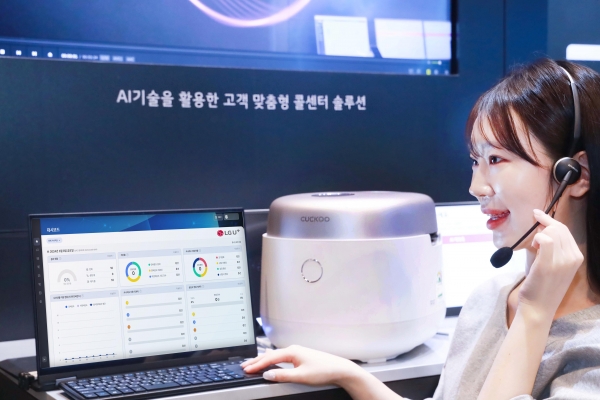
출처: 백세시대
AICC는 AI Contact Center의 약자로, 음성인식과 챗봇, 콜봇 등의 AI 기술을 고객센터 업무에 활용하는 시스템입니다.
기존의 콜봇은 정해진 질문에 정해진 답변을 제공하거나 간단한 조회 업무를 처리하는 경우가 많았습니다.
이번 NH농협은행 AICC에서는 상담사 연결 없이 AI가 직접 처리하는 업무가 45개에서 180개로 확대됐습니다.
또 고객의 음성을 문자로 변환하는 STT(Speech-to-Text) 정확도도 약 90%에서 97%로 향상됐습니다.
고객이 말하는 내용을 더 정확하게 이해할 수 있어야 AI가 처리할 수 있는 상담의 범위도 넓어질 수 있기 때문입니다.
그 결과 고객 대기시간과 상담 처리시간은 기존보다 약 20% 줄었습니다.
AI 상담의 경쟁력이 단순히 사람 대신 전화를 받는 것에서 얼마나 많은 업무를 실제로 끝까지 처리할 수 있는가로 이동하고 있는 것입니다.
전화뿐 아니라 채팅과 이메일까지 하나로 연결됩니다
출처: Call Centre Helper
이번 AICC에서 주목할 부분은 전화 자동화만이 아닙니다.
NH농협은행은 화상상담과 채팅, 이메일 등 서로 다른 상담 채널을 하나의 운영 포털에서 관리할 수 있도록 시스템을 구축했습니다.
예를 들어 고객이 처음에는 채팅으로 문의하고, 이후 전화로 다시 상담을 받는다고 가정해 보겠습니다.
각 채널의 기록이 분리돼 있다면 고객은 같은 내용을 다시 설명해야 하고, 상담사 역시 이전 상담 내용을 처음부터 찾아야 합니다.
반대로 상담이력이 연결돼 있다면 상담사는 고객이 어떤 문의를 했고 어떤 답변을 받았는지 보다 빠르게 파악할 수 있습니다.
즉, 전화 → 채팅 → 이메일처럼 채널은 달라져도 고객의 상담 경험은 하나의 흐름으로 이어지는 것입니다.
이처럼 여러 고객 접점을 통합해 관리하는 것을 흔히 옴니채널(Omnichannel)이라고 합니다.
보험 상담에서는 왜 데이터 연결이 더 중요할까요?
출처: 토큰 포스트
보험 상담은 단순한 FAQ만으로 답하기 어려운 경우가 많습니다.
예를 들어 고객이 “이 수술도 제가 가입한 보험에서 보장되나요?” 라고 질문했다고 가정해 보겠습니다.
정확한 답변을 위해서는 질문 내용만 파악해서는 부족합니다.
고객이 가입한 상품과 특약은 무엇인지, 해당 보장의 조건은 어떻게 되는지 함께 확인해야 합니다.
보험금 청구와 관련된 문의라면 확인해야 할 정보는 더 늘어납니다.
- 고객 문의
- 가입 계약
- 특약 및 보장조건
- 보험금 청구 내역
- 현재 처리 단계
- 과거 상담이력
처럼 여러 데이터가 연결돼야 합니다.
따라서 보험 분야에서 AI 상담의 활용 범위를 넓히려면 좋은 언어모델만큼이나 상담에 필요한 정보를 얼마나 빠르게 찾아 연결할 수 있는가가 중요합니다.
AI 에이전트는 상담사를 어떻게 도울까요?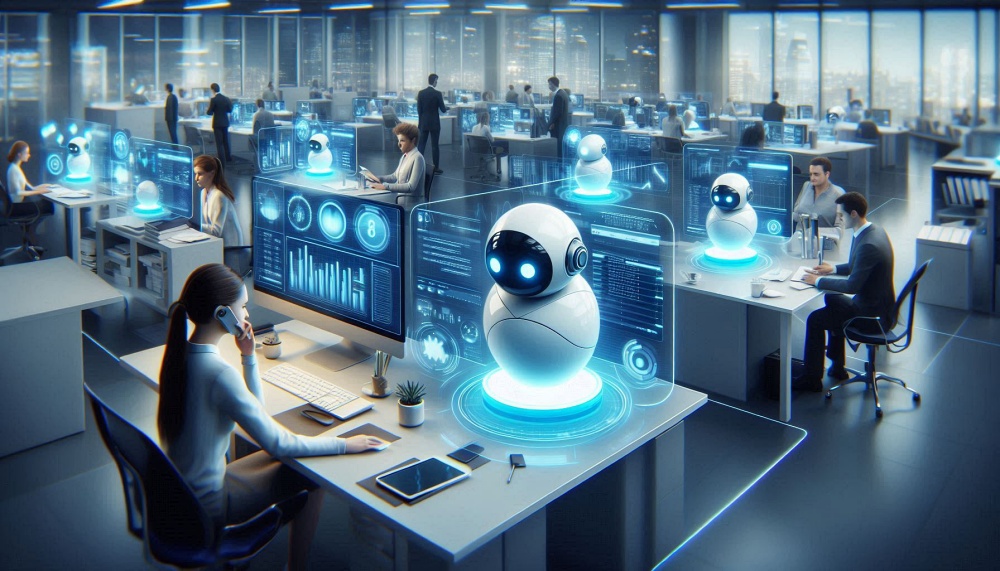
출처: 바이라인네트워크
최근 금융권 AICC는 기존 챗봇·보이스봇을 넘어 AI 에이전트를 활용하는 방향으로 고도화되고 있습니다.
KT 역시 금융권 AICC에 AI 에이전트 중심의 기술을 적용하고 있으며, 보험 분야에서도 생성형 AI 기반 상담지원 시스템을 구축하고 있다고 밝혔습니다.
보험 상담에 이를 적용하면 AI의 역할은 단순한 자동응답보다 넓어질 수 있습니다.
고객의 질문을 파악하고, 관련 계약이나 청구 정보를 찾고, 상담에 필요한 내용을 정리해 상담사가 바로 확인할 수 있도록 제공하는 방식입니다.
예를 들어 고객이 보험금 지급 지연 사유를 문의했다면 상담사가 여러 화면을 직접 찾아보는 대신, AI가 관련 청구 건과 현재 처리상태를 먼저 정리해 보여줄 수 있습니다.
상담사는 필요한 정보를 찾는 데 쓰던 시간을 줄이고 고객에게 상황을 설명하는 데 집중할 수 있게 됩니다.
상담이 끝나도 데이터는 남습니다
출처: Zenloop
AICC의 또 다른 변화는 상담 자체가 하나의 데이터가 된다는 점입니다.
고객센터에는 매일 수많은 질문이 들어옵니다.
하지만 중요한 것은 단순히 몇 통의 전화가 들어왔는지가 아닙니다.
어떤 질문이 반복되는지, 고객이 어떤 절차에서 어려움을 겪는지, 어떤 상품의 설명을 이해하기 어려워하는지까지 확인할 수 있기 때문입니다.
예를 들어 보험금 청구 과정의 특정 단계에서 문의가 계속 발생한다면, 해당 절차가 고객에게 충분히 설명되지 않았다는 신호일 수 있습니다.
특정 특약에 대한 질문이 반복된다면 상품 안내 방식에 개선이 필요할 수도 있습니다.
기존에는 상담이 끝난 뒤 저장되던 기록이 이제는 고객의 불편을 발견하고 서비스를 개선하는 VOC(Voice of Customer) 데이터 로 활용될 수 있는 것입니다.
AICC의 다음 경쟁력은 얼마나 잘 답하느냐만이 아닙니다
출처: Development Beyond Learning
초기 AI 고객센터의 핵심 질문은 비교적 단순했습니다.
“AI가 사람의 말을 얼마나 정확하게 알아들을 수 있는가?”
하지만 AI가 실제 업무에 들어오기 시작하면서 질문도 달라지고 있습니다.
AI가 어떤 고객 정보를 확인할 수 있는지,
과거 상담이력을 이어서 활용할 수 있는지,
여러 채널의 기록을 하나로 연결할 수 있는지,
상담 결과를 다시 서비스 개선에 활용할 수 있는지가 중요해지고 있습니다.
결국 금융권 AICC는 단순한 자동응답 시스템에서 고객과 기업 사이에서 발생하는 정보를 연결하는 업무 플랫폼으로 변화하고 있는 것입니다.
보험 AX에서도 데이터가 연결되는 방식이 중요합니다
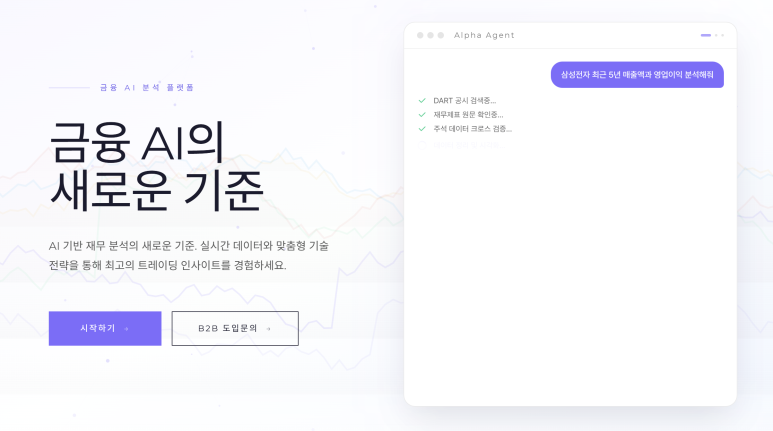
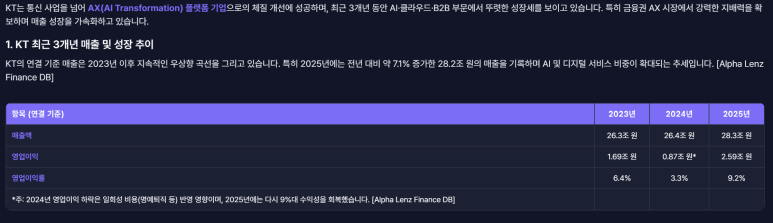
AlphaLenz가 KT의 최근 매출과 성장 흐름을 분석한 화면
보험 상담과 재보험 정산은 서로 다른 업무입니다.
하지만 여러 시스템에 흩어진 정보를 연결해야 AI가 실제 업무를 지원할 수 있다는 점에서는 공통점이 있습니다.
트레져러의 재보험 AX 역시 계약, 클레임, 커버노트 등 서로 다른 형태로 관리되던 데이터를 구조화하고 관련 기록을 연결해 정산 업무를 지원합니다.
고객 상담에서는 질문과 계약·청구·상담이력이 연결되고,
재보험 정산에서는 계약과 클레임·커버노트·정산 기록이 연결됩니다.
AI 기술 자체만큼이나 업무에 필요한 데이터가 어떤 구조로 연결돼 있는가가 AX의 활용 범위를 결정하는 이유입니다.
금융권 고객센터는 이제 단순한 콜봇에서 AI 에이전트로 이동하고 있습니다.
보험 상담 역시 앞으로 고객의 질문에 답하는 공간을 넘어, 고객의 목소리가 데이터로 축적되고 다시 서비스 개선으로 이어지는 공간으로 변화할 가능성이 커지고 있습니다.