Experts May Leave. Know-How Shouldn’t.
 Hello, this is TREASURER.
Reinsurance is an industry where experience is the competitive edge.
But if that experience lives only in people’s heads,
the company’s edge walks out the door the moment they leave.
Today, we’d like to talk about how reinsurers can turn know-how into an asset
that belongs to the organization, not just to individuals.
Reinsurance Runs on Experience
 Source: Pinterest
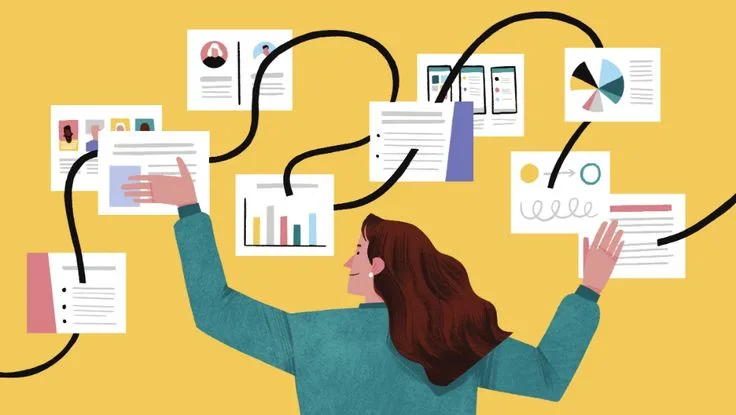
Looking at the same contract, a veteran underwriter sees something different:
What losses this cedent has had in the past.
Why the terms changed last year.
How a clause was actually interpreted in a claim.
Years, even decades, of experience shape better judgment,
and that judgment ultimately determines a reinsurer’s profitability and risk.
Where Does That Know-How Live Today?
 Source: Pinterest
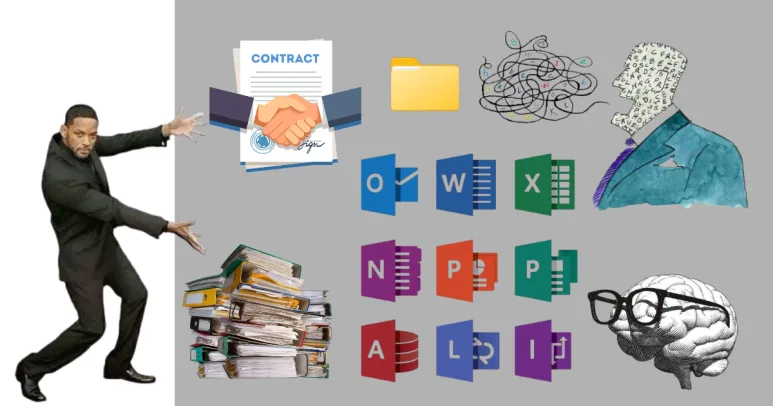
At most reinsurers, know-how is scattered across places like these:
- In the minds of individual staff
- In personal inboxes, buried in negotiations with brokers and cedents
- In Excel files and notes saved in personal folders
- In contract histories passed down only by word of mouth
Normally, this isn’t a problem.
As long as that person is still with the company.
What Happens When a Veteran Leaves
 Source: Pinterest
When someone retires or moves to another team, all that’s left is a few pages of handover notes.
Their successor goes into renewal negotiations,
without knowing why past terms were set the way they were.
The company may repeat losses it has already suffered,
and its position with cedents and brokers weakens.
The problem isn’t the people. It’s the structure.
A way of working that never records the reasoning behind decisions makes know-how disappear.
3 Ways to Turn Know-How into an Organizational Asset
 Source: Pinterest
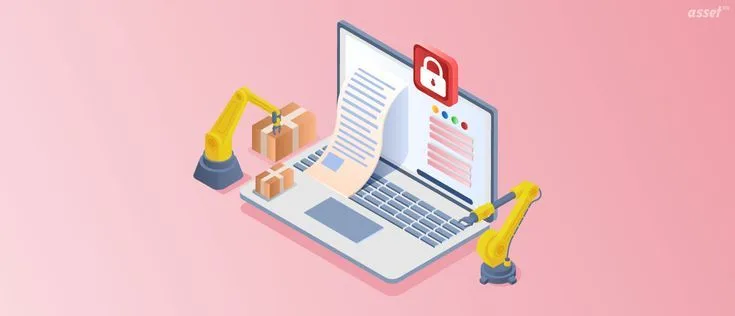
1. Keep All Documents in One Place
Contracts, slips, cedent submissions and claim files are impossible to find again once they’re scattered across personal folders and inboxes. Know-how only starts to build up when every document is organized in one place.
2. Record the History and Reasoning Behind Decisions
What information was reviewed, and why those terms were chosen, needs to be on record. A record of the decision-making process is far more valuable to the next person than a contract that shows only the outcome.
3. Make It Easy for Anyone to Find
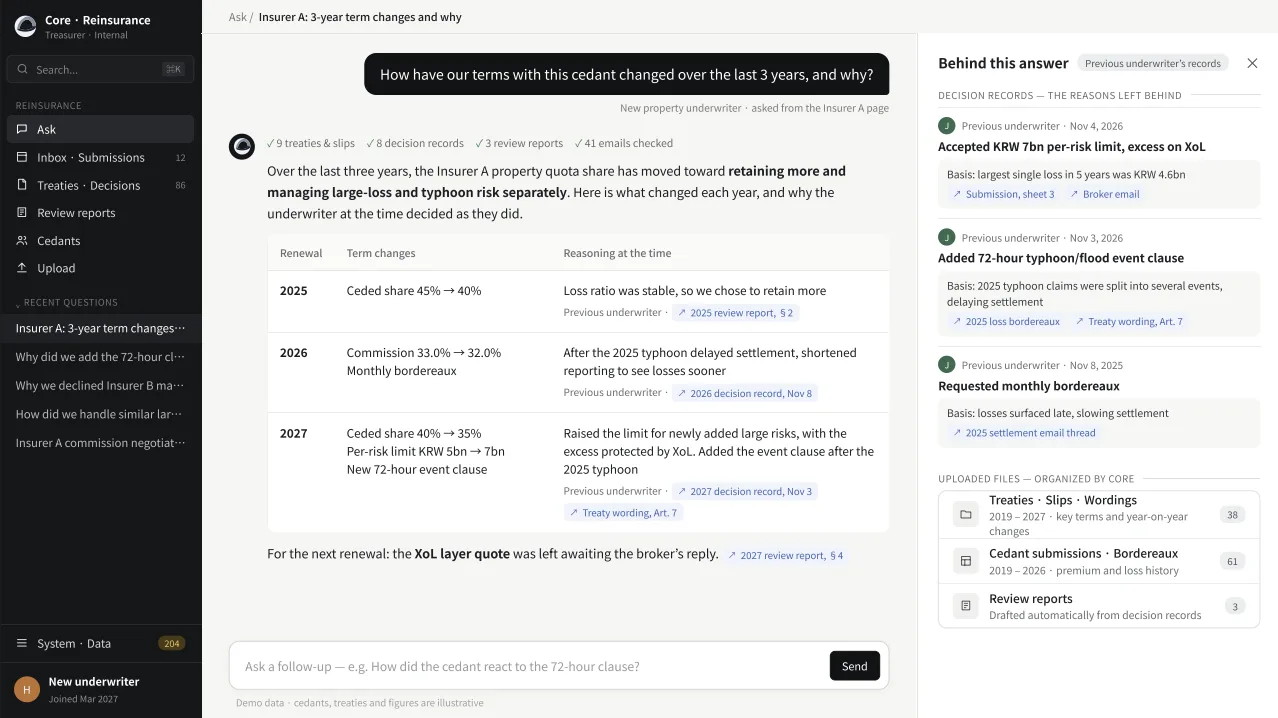
Even existing records go unused if they’re hard to find. With a single question like “How have our terms with this cedent changed over the past three years?”, anyone should be able to pull up past records instantly.
A System That Keeps Know-How: TREASURER Core
 Source: Core demo, TREASURER YouTube
TREASURER Core is a finance-specialized AI transformation solution
that organizes work documents and records the history behind every decision.
You upload the files. Core organizes them.
Upload any tool or file you use, and Core automatically summarizes the key terms and
year-over-year changes. Scattered materials start to come together in one place.
You make the call. Core keeps the record.
The evidence and reasoning behind each decision are captured as they are,
and a draft review report is ready right away.
New people, same context.
A successor can simply ask, “How have our terms with this cedent changed over the past three years, and why?”, and pick up right where the last person left off.
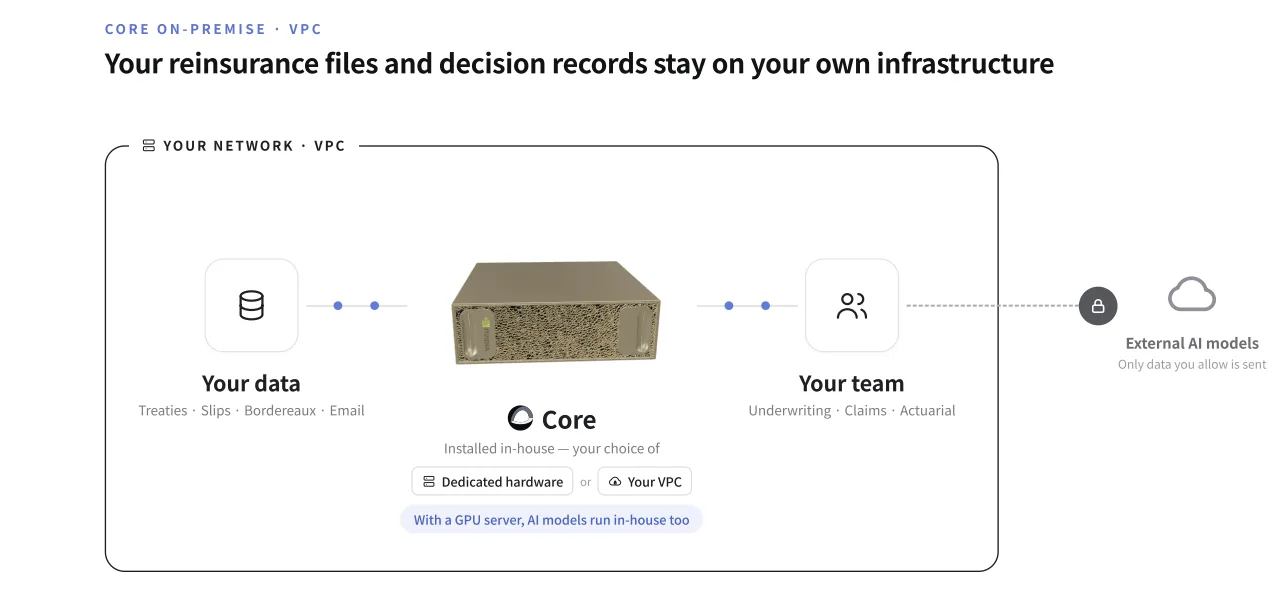
All of this happens entirely within the client’s internal network.
Sensitive contract data never leaves the company. It stays and grows as a company asset.
People will eventually move on.
But the judgment they built doesn’t have to leave with them.