주가는 9% 떨어졌는데, 레버리지는 왜 36% 떨어졌을까?
 안녕하세요, 트레져러입니다.
주가는 9% 떨어졌는데, 투자한 상품은 왜 36%나 떨어졌을까요?
지난 5월 27일 삼성전자와 SK하이닉스 등 개별 주식의 하루 수익률을 최대 2배로 추종하는 단일종목 레버리지 ETF·ETN이 국내 시장에 출시됐습니다.
출시 이후 투자금이 빠르게 몰리자 금융당국은 신규 상장을 잠정 중단하고 광고와 이벤트성 마케팅을 제한했습니다. 7월 31일부터는 개인 일반투자자가 국내외 단일종목 레버리지 상품을 새로 사거나 추가 매수하려면 현금 3천만 원의 기본예탁금을 보유해야 합니다. 주식이나 채권 같은 대용증권은 예탁금으로 인정되지 않습니다.
주식의 수익률을 두 배로 따라가는 상품이라면, 왜 투자 조건까지 강화된 걸까요?
함정은 '2배'라는 말에 있습니다

출처: SoFi
일반적인 지수형 ETF는 여러 종목에 나누어 투자합니다. 반면 단일종목 상품은 삼성전자나 SK하이닉스처럼 하나의 주식만 기초자산으로 삼습니다.
여기에 레버리지 구조가 더해지면 기초주식의 하루 수익률을 약 2배로 추종합니다.
주식이 하루 동안 5% 오르면 레버리지 상품은 약 10% 오르고, 주식이 5% 떨어지면 상품은 약 10% 하락하는 방식입니다.
여기서 중요한 점은 레버리지가 전체 투자기간의 수익률이 아니라 매일의 수익률에 각각 적용된다는 것입니다.
2배 레버리지는 장기 수익률의 두 배가 아니라, 하루 수익률의 두 배를 목표로 합니다.
30% 올랐다가 30% 내리면 원래 가격일까요?
기초자산 가격이 100에서 시작해 첫날 30% 상승하고, 다음 날 30% 하락했다고 가정해 보겠습니다.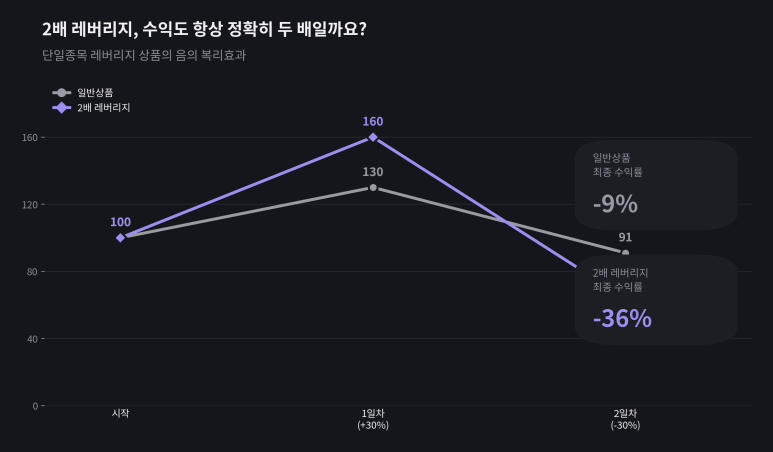 일반상품은 100에서 30% 올라 130이 됩니다. 이후 130에서 30%가 하락하면 91이 남습니다.
2배 레버리지 상품은 첫날 60% 올라 160이 됩니다. 하지만 다음 날에는 더 커진 금액인 160을 기준으로 60%가 하락해 64가 됩니다.
기초자산은 9% 하락했지만, 레버리지 상품은 단순히 두 배인 18%가 아니라 36% 하락한 것입니다.
이처럼 가격이 오르고 내리는 과정에서 투자금이 더 빠르게 줄어드는 현상을 음의 복리효과라고 합니다. 금융당국도 단일종목 레버리지 상품이 일일 수익률의 배수를 추종하기 때문에 횡보장이나 변동성이 큰 시장에서 투자금이 줄어들 수 있다고 안내하고 있습니다.
한 종목에, 레버리지까지 더해집니다

출처: Alaric Securities
지수형 ETF는 여러 기업에 분산 투자하지만, 단일종목 상품은 특정 기업 하나의 실적과 주가에 직접 영향을 받습니다.
- 기업의 실적 발표
- 반도체 가격 변화
- 신규 투자계획
- 산업 규제
- 글로벌 공급망 변화
- 특정 기업과 관련된 호재와 악재
이러한 뉴스 하나에도 기초주식과 레버리지 상품의 가격이 크게 움직일 수 있습니다.
국내 주식의 하루 가격제한폭은 ±30%입니다. 기초주식이 하루 하한가인 30%까지 떨어질 경우, 2배 레버리지 상품의 목표 일일수익률은 이론상 약 -60%에 이를 수 있습니다. 실제 수익률은 추적오차나 시장 상황에 따라 달라질 수 있지만, 하루 만에도 투자금이 크게 줄어들 수 있다는 뜻입니다.
이름에 ETF나 ETN이 들어가더라도, 여러 기업에 나누어 투자하는 일반적인 지수형 상품과 같은 위험 수준으로 생각해서는 안 됩니다.
시장가격만 보면 놓치기 쉬운 ‘괴리율’
 출처: 비즈워치
단일종목 레버리지 상품을 거래할 때는 기초주식의 가격뿐 아니라 괴리율도 확인해야 합니다.
괴리율은 상품의 시장가격과 실제 가치 사이의 차이를 나타냅니다.
- ETF: 시장가격과 순자산가치(NAV)의 차이
- ETN: 시장가격과 지표가치(IV)의 차이
예를 들어 실제 가치가 1만 원인 상품이 시장에서는 1만 2천 원에 거래되고 있다면, 해당 상품은 실제 가치보다 비싸게 거래되는 상태입니다.
이때 높은 가격으로 매수하면 기초주식이 크게 떨어지지 않더라도, 시장가격이 실제 가치에 가까워지는 과정에서 손실이 발생할 수 있습니다.
한국거래소는 ETN의 지표가치를 증권 한 개당 실질가치로 설명하며, 시장가격과 지표가치의 차이를 통해 고평가 또는 저평가 여부를 확인할 수 있다고 안내합니다.
투자 조건은 왜 강화됐을까요?
출처: Bitpanda
국내에 상장된 단일종목 레버리지 상품 16개의 시가총액은 출시 당시 4조 4천억 원에서 7월 15일 11조 9천억 원으로 빠르게 증가했습니다. 금융당국은 상품 규모와 거래대금이 급증하고 반도체 관련 종목의 변동성도 커지자 투자자 보호 조치를 강화했습니다.
현재 이미 시행된 조치와 앞으로 시행·추진될 조치는 다음과 같습니다.
- 신규 단일종목 레버리지 상품 상장 잠정 중단
- 광고 및 이벤트성 마케팅 제한
- 신규·추가 매수 시 현금 기본예탁금 3천만 원 적용
- 괴리율 관리의무와 관련 제재 강화 예정
- 국내 상품의 매매단위를 1좌에서 20좌로 확대하는 방안 추진
특히 현금 3천만 원의 기본예탁금 요건은 국내 상장 상품뿐 아니라 테슬라나 엔비디아 등을 기초자산으로 하는 해외 상장 단일종목 레버리지 상품을 신규·추가 매수할 때도 적용됩니다.
다만 해외 상품에도 국내의 모든 규제가 그대로 적용되는 것은 아닙니다. 해외 상품에 공통으로 적용되는 핵심 조치는 기본예탁금 요건이며, 국내 신규 상장 중단이나 국내 거래소의 괴리율 관리 규정은 국내 상품을 대상으로 합니다.
기존에 보유한 상품을 매도하는 것은 기본예탁금과 관계없이 가능하지만, 추가로 매수하려면 강화된 요건을 충족해야 합니다.
2배 레버리지는 수익이 단순히 두 배가 되는 상품이 아닙니다
출처: 데일리안
단일종목 레버리지 상품을 살펴볼 때는 다음 네 가지를 함께 확인해야 합니다.
- 장기 수익률이 아니라 하루 수익률의 두 배를 추종한다는 점
- 가격이 오르내리면 음의 복리효과가 발생할 수 있다는 점
- 하나의 기업에 집중돼 분산효과가 제한적이라는 점
- 시장가격과 실제 가치 사이에 괴리율이 발생할 수 있다는 점
레버리지 상품은 일반 주식의 수익과 손실을 항상 정확히 두 배로 늘려주는 상품이 아닙니다.
시장의 방향뿐 아니라 변동 과정, 보유기간, 괴리율에 따라 기초주식과 전혀 다른 결과가 나타날 수 있습니다.
상품 정보와 기초자산 분석은 구분해서 확인해야 합니다
단일종목 레버리지 상품을 살펴볼 때는 상품 자체의 정보와 기초자산의 정보를 나누어 확인해야 합니다.
ETF·ETN의 실시간 시장가격과 NAV, IV, 괴리율은 한국거래소 정보데이터시스템이나 증권사 HTS·MTS를 통해 확인하는 것이 가장 정확합니다.
반면 해당 상품이 추종하는 삼성전자, SK하이닉스, 테슬라와 같은 기초자산의 실적과 뉴스, 주가 흐름, 애널리스트 컨센서스는 별도의 분석이 필요합니다.
AlphaLenz는 기초자산과 관련된 공시, 재무정보, 뉴스, 시장 데이터를 분석하고, 결과에 사용된 출처와 근거를 함께 확인할 수 있도록 지원합니다.
즉, 상품 자체의 괴리율은 거래소나 증권사 시스템에서 확인하고, 기초자산의 투자 배경과 시장 상황은 금융 분석 도구를 통해 함께 살펴보는 방식이 필요합니다.
투자 판단에서는 하나의 숫자만 보는 것이 아니라, 해당 숫자가 무엇을 의미하고 어디에서 확인해야 하는지를 구분하는 것이 중요합니다.
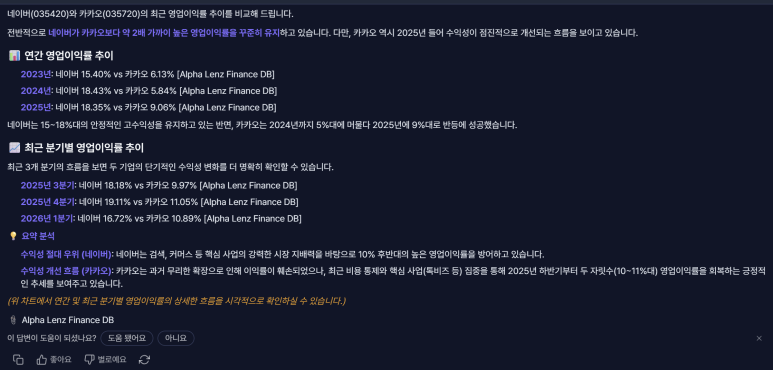
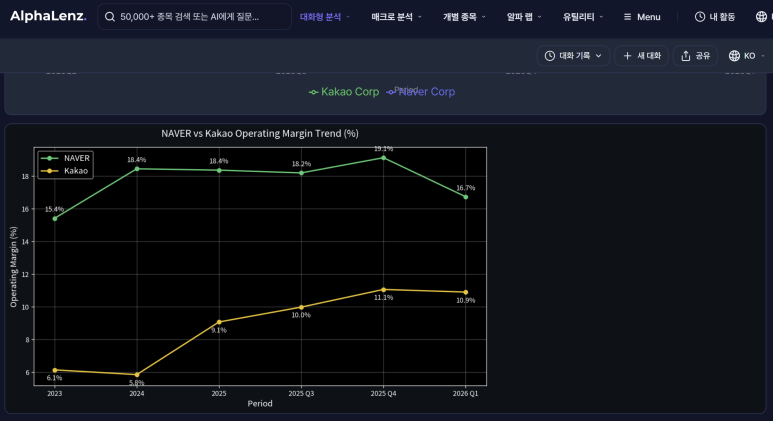 AlphaLenz의 네이버 vs 카카오 최근 영업이익률 비교